





Chevrolet, or “Chevy” as it is affectionately known, has been a staple in the automotive industry for over a century. From its humble beginnings to its current status as one of the most recognized automobile brands globally, Chevrolet has a rich history of producing vehicles that have shaped the automotive landscape. Let’s take a closer look at how Chevrolet became the iconic brand it is today.
The Birth of Chevrolet: 1911
The history of Chevrolet begins in 1911, founded by Louis Chevrolet and William C. Durant. Durant, who was also the co-founder of General Motors (GM), recognized the potential for a new brand of cars that combined performance, style, and affordability. Together with Louis Chevrolet, a Swiss-born race car driver, the duo aimed to create a car that would rival the more expensive models from companies like Ford.
Their first car, the 1912 Chevrolet Series C, introduced the world to the iconic bowtie emblem, which would become synonymous with the brand. The vehicle featured a 4-cylinder engine and sold for an affordable price, quickly gaining attention and solidifying the company’s place in the automotive market.
Growth and Innovation: 1920s-1940s
During the 1920s, Chevrolet began to build a reputation for producing cars that were not only reliable but also stylish. The introduction of the 1924 Chevrolet Capitol helped solidify the brand’s reputation as a quality manufacturer. By the end of the decade, Chevrolet had expanded its lineup, introducing trucks and other models that catered to a broader audience.
In the 1930s and 1940s, Chevrolet continued to innovate, introducing the first mass-produced car with a six-cylinder engine. This move enhanced engine performance and set Chevrolet apart from its competitors. Additionally, during World War II, Chevrolet shifted production to support the war effort, producing vehicles and equipment needed by the military.
The Post-War Era: 1950s and 1960s
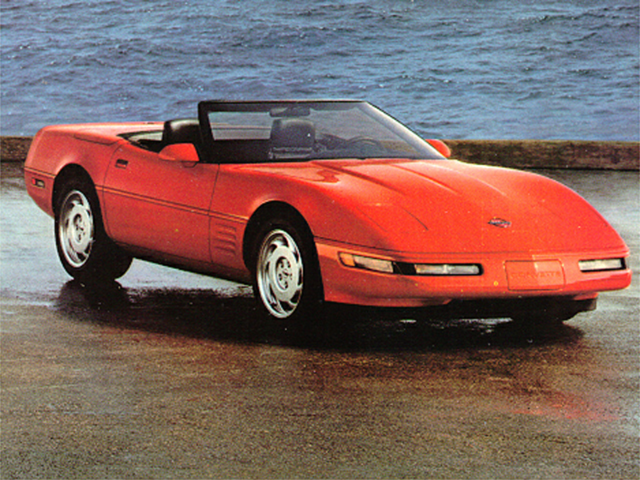
After World War II, Chevrolet entered a golden age of automotive design and engineering. In 1953, Chevrolet introduced the Corvette, a car that would go on to become a symbol of American performance and style. The Corvette’s sleek design and powerful engine made it an instant classic, drawing attention worldwide.
Throughout the 1950s and 1960s, Chevrolet continued to innovate with the release of iconic models like the Bel Air, Impala, and Camaro. These cars captured the spirit of the era, offering a combination of performance, luxury, and affordability. The Camaro, in particular, became a hallmark of American muscle cars.
The Modern Era: 1970s-Present
As the automotive industry evolved, so did Chevrolet. During the 1970s and 1980s, Chevrolet faced challenges due to rising fuel prices and the changing landscape of vehicle technology. However, the brand responded by introducing fuel-efficient models and investing heavily in research and development.
In recent decades, Chevrolet has become known for its commitment to sustainability, introducing hybrid and electric vehicles like the Volt and the Bolt. The Chevrolet Silverado, a full-size pickup truck, remains one of the brand’s best-selling models, offering durability and performance for a wide range of consumers.
Today, Chevrolet continues to be a leader in the automotive world, combining cutting-edge technology with a rich legacy of quality and innovation. From its humble beginnings in 1911 to the modern, technologically advanced vehicles on the road today, Chevrolet has truly earned its place as one of the most trusted names in the automotive industry.
Connect with us


