





When it comes to towing, understanding trailer hitches and towing capacity is essential for a safe and smooth experience. Whether you’re towing a boat, camper, or a utility trailer, having the right trailer hitch with proper weight distribution can make all the difference. Below, we’ve compiled some of the most frequently asked questions about trailer hitches and towing to help guide your decisions and ensure you’re prepared for your next adventure.
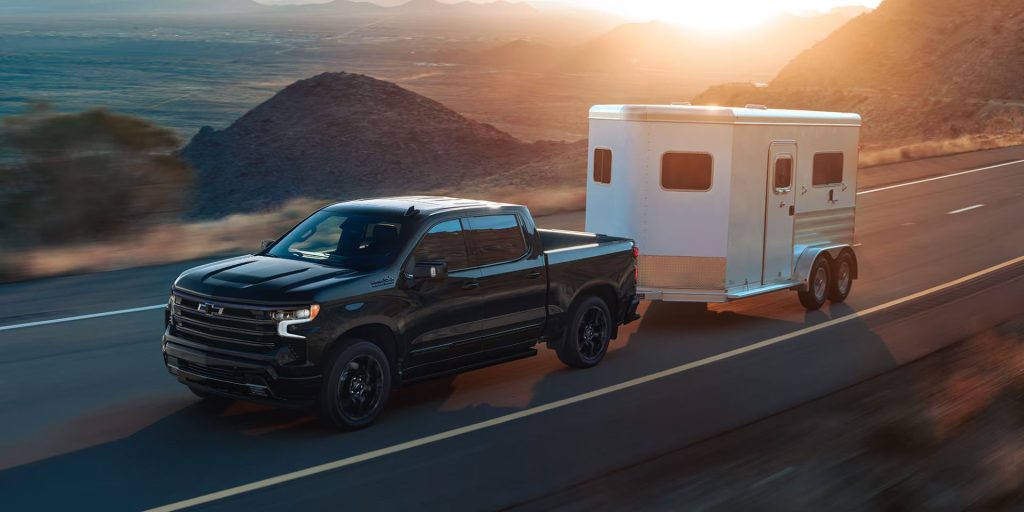
What Is a Trailer Hitch and Why Do I Need One?
A trailer hitch is a device attached to the frame of a vehicle, allowing it to tow a trailer. It serves as the connection point between your vehicle and the trailer. Without a trailer hitch, your vehicle wouldn’t be able to safely carry the weight of a trailer. Trailer hitches come in different classes, each designed to support specific weight ranges.
Types of Trailer Hitches:
- Class I: Designed for small, lightweight trailers, such as a small utility trailer or a bike rack.
- Class II: Can handle slightly heavier loads, typically used for smaller campers or medium-sized trailers.
- Class III: Common for towing larger trailers like boats or campers.
- Class IV and V: Built for heavy-duty towing, used for large trailers and commercial vehicles.
What Is Weight Distribution, and Why Is It Important?
Weight distribution is the process of evenly distributing the load across the axles of your vehicle and trailer. It ensures that your vehicle’s towing capacity isn’t exceeded, preventing dangerous swaying, uneven braking, or poor handling.
Trailer Hitch Weight Distribution
- Weight Distribution Hitches: These hitches use a system of spring bars to distribute the trailer’s weight across both the tow vehicle and the trailer itself. This helps maintain vehicle stability and keeps the ride smooth, even when hauling heavier loads.
- Benefits of Weight Distribution:
- Improved handling and stability
- Reduced strain on your vehicle’s suspension
- Enhanced braking and steering control
How Do I Determine My Vehicle’s Towing Capacity?
Each vehicle has a maximum towing capacity, which indicates the most weight it can safely tow. Exceeding this capacity can lead to serious safety issues, including brake failure or suspension damage. To determine your vehicle’s towing capacity, consult your vehicle’s owner manual or check the manufacturer’s specifications.
Factors Affecting Towing Capacity:
- Engine Power: A more powerful engine can typically tow heavier loads.
- Suspension System: Vehicles equipped with heavy-duty suspension systems often have higher towing capacities.
- Axle Ratio: A higher axle ratio can enhance towing capabilities by providing more torque.
How Do I Install a Trailer Hitch?
Installing a trailer hitch is a straightforward process, but it does require specific tools and expertise. Many owners choose to have a professional install the hitch to ensure proper installation and safe towing. However, if you’re a DIY enthusiast, here are some general steps:
Steps to Install a Trailer Hitch:
- Select the Right Hitch: Ensure that the hitch you purchase is compatible with your vehicle’s make and model.
- Prepare the Vehicle: Ensure the area where the hitch will be mounted is clean and free from obstructions.
- Attach the Hitch: Bolt the trailer hitch to the frame of the vehicle using the supplied hardware. Ensure everything is securely fastened.
- Test the Installation: Double-check the hitch for stability and ensure all bolts are tightened properly.
For more complex installations, such as adding wiring or a weight distribution system, consider consulting a professional to install your trailer hitch.
What Is the Difference Between a Trailer Hitch and a Towing Receiver?
A trailer hitch refers to the entire assembly that attaches to your vehicle, while the towing receiver is the part of the hitch that actually connects with the trailer. In essence, the towing receiver is a component of the hitch system, allowing you to attach different types of trailers depending on the receiver size.
Understanding trailer hitches, towing capacity, and weight distribution is crucial for anyone who plans to tow with their vehicle. Whether you need to install a trailer hitch or simply want to know more about towing safely, being informed ensures that every trip is both safe and enjoyable.
When it comes to choosing the right hitch or installation, always prioritize safety, vehicle compatibility, and the type of load you plan to tow. With the proper equipment and knowledge, towing can be a seamless experience with vehicles from House Chevrolet Stewartville.
Connect with us


